
What Is ISO 10993-5 Biocompatibility Testing and Why Is It Performed?
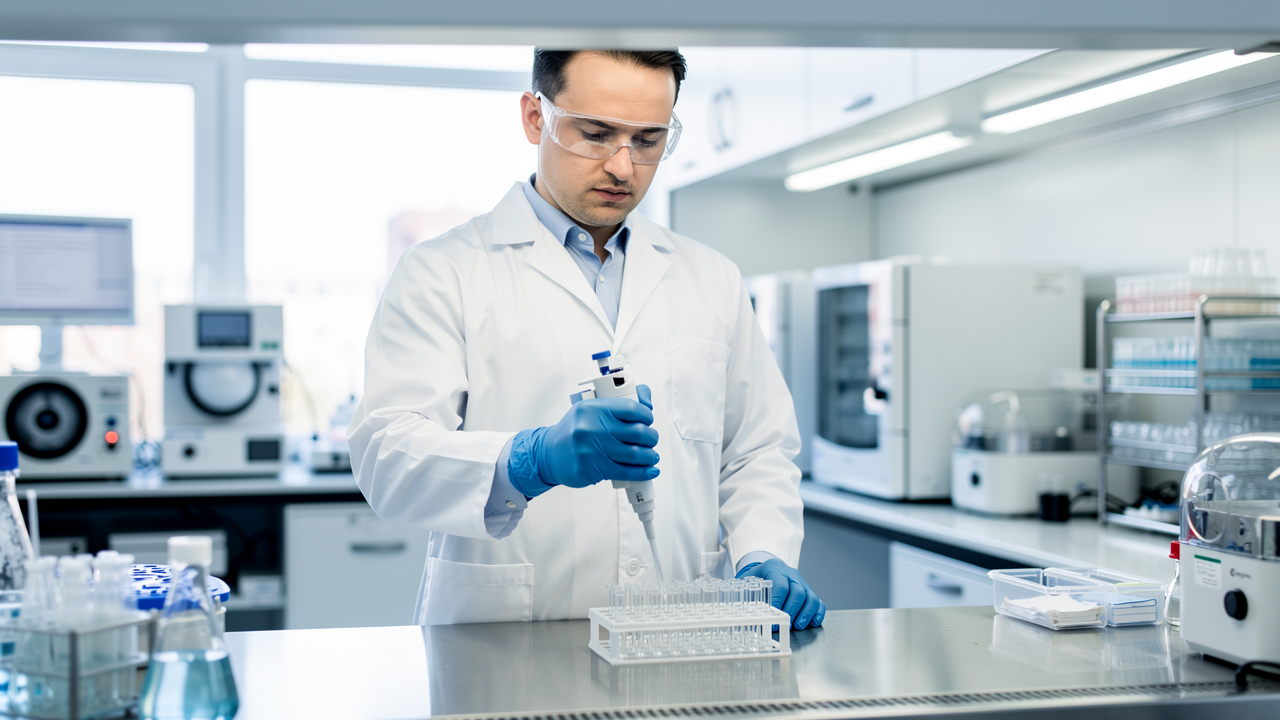
This ISO 10993-5 Biocompatibility Testing Guide for Medical Device Developers starts with the standard itself, the primary protocol used to evaluate in vitro cytotoxicity of materials intended for clinical use. Before any material reaches a patient, laboratories run cell-based assays to check whether a test article causes cellular harm, lysis, or growth inhibition. This biological screening step determines whether a device formulation is safe enough to proceed toward in vivo testing at all. ISO 10993-5 sits within the wider biological evaluation plan required for medical device biocompatibility, and it specifies the use of established mammalian cell lines under controlled laboratory conditions. The full protocol parameters, including acceptable assay types and reporting formats, are detailed in the ISO 10993-5 documentation maintained by the International Organization for Standardization.
Which Medical Devices Require ISO 10993-5 Evaluation?
Almost any patient-contacting device, whether touching skin, mucosa, or internal tissue, falls under biological safety testing requirements. The classification principles behind this rule focus on biological endpoints that regulators expect to see addressed within a documented risk management process, regardless of how brief the contact appears.
How Patient Contact and Exposure Duration Determine Testing Depth
Contact category shapes the testing strategy. Surface-contacting devices, externally communicating devices, and implants each carry different expectations for depth of biological review. Exposure duration adds another layer: limited exposure covers contact of 24 hours or less, prolonged exposure extends up to 30 days, and permanent contact applies beyond that point. A device resting on skin for a few hours faces a lighter testing load than an implant remaining in tissue for months.
Development teams sometimes avoid physical lab work entirely by building a scientific rationale instead. Existing toxicological data, comparative material characterization, or chemical equivalency assessments can justify omitting a test when the material has an established safety history. Any such waiver needs clear documentation inside the biological submission file, since regulators expect a traceable justification rather than an assumption of safety.
How Are the Key Cytotoxicity Testing Methods Structured?
Selecting the right assessment path depends on the physical properties, geometry, and expected contact mechanics of the device. Three approaches dominate cytotoxicity testing practice, each suited to different material behavior.
| Method | How It Works | Best Suited For |
|---|---|---|
| Extract method | Liquid extraction vehicle leaches mobile compounds, then the extracted medium is applied to monolayer cell cultures | Devices with soluble or leachable components; worst-case exposure simulation |
| Direct contact cytotoxicity | Solid test material placed directly onto cultured cells to observe localized cell death or disruption | High-density, non-leaching plastics or metals |
| Agar diffusion test | An agar buffer layer separates the material from cell monolayers, allowing soluble chemicals to diffuse through the gel | Materials tested without subjecting cells to physical weight or contact |
Each method feeds into the same cell viability endpoint, but the mechanics of exposure differ enough that laboratories choose the method matching the device's intended clinical contact rather than applying one protocol universally.
Why Do Sample Preparation and Manufacturing Residues Affect Outcomes?
Sample preparation bridges the gap between a raw material formulation and the finished commercial product, and this gap is where many biological evaluations go wrong. Manufacturing detail, not just base chemistry, often decides the laboratory outcome.
The Critical Importance of Testing the Finished Device
Raw material safety sheets alone are not enough for compliance protocols. Final assembly, mechanical shaping, extrusion, and joining methods each introduce secondary hazards that a raw polymer certificate cannot predict. Finished device testing captures these downstream changes, which is why regulators expect samples representative of the actual production process rather than pre-processed stock.
Sterilization and processing aids add another variable. Leftover solvents, mold-release residues, cleaning lubricants, and active sterilants can trigger positive cytotoxicity reactions even when the base material passed earlier screening. High-temperature processing can also degrade additives, producing unexpected leachables and extractables that were never present in the original formulation, leading directly to cell death signals during testing.
Can Different Laboratories Produce Varying Cytotoxicity Results?
Interlaboratory variation is a documented issue in global cell toxicity test practice. Parameters are guided by the standard, but technical adjustments still allow differences in assay sensitivity between facilities running the same nominal protocol.
Methodological Flexibility Allowed Within the Standard Guidelines
Differences in cell line sub-clones, extraction ratios between surface area and volume, and exposure time windows can all shift biological outcomes for an identical device. A peer-reviewed variability study documents how these specification gaps can yield inconsistent cytotoxicity results across labs testing the same material, raising questions about acceptance criteria consistency during biological risk assessment.
Selecting a qualified laboratory partner reduces this risk. Development teams benefit from inspecting protocol documentation directly, confirming that positive and negative control materials are maintained on a strict schedule, and prioritizing quantitative cell health measurement systems over purely visual, qualitative scoring during medical device safety testing.
What Steps Should Developers Take After an ISO 10993-5 Test Failure?
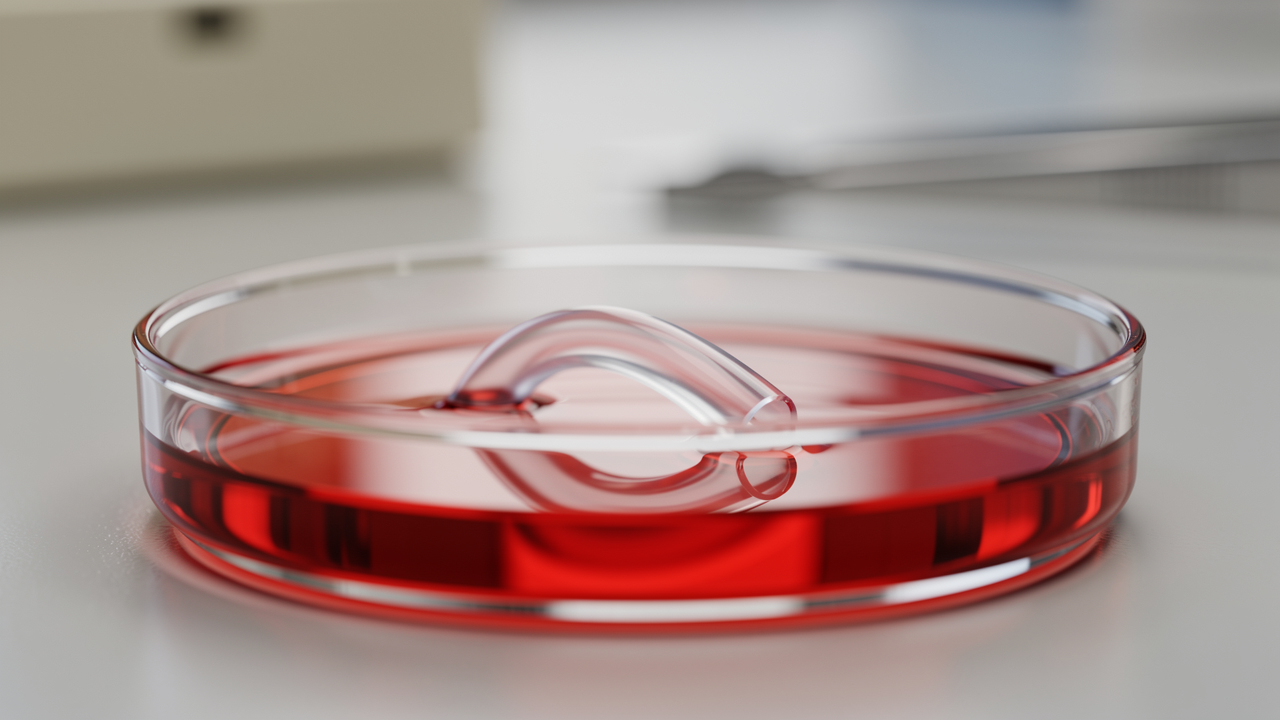
A failed toxicity result, typically defined as cell viability below 70 percent, does not automatically end a development program. It calls for a structured response before any regulatory submission moves forward, built around a clear biocompatibility assessment of what went wrong.
For additional details, you can visit the business website at: databiotech.co.il.
Diagnostic Strategies for Root-Cause Investigations
Troubleshooting starts with manufacturing logs, confirming polymer source lots, and reviewing washing steps that preceded the failed batch. Targeted chemical extraction procedures can isolate the specific compounding chemical responsible for the toxic response, narrowing the investigation from a broad material question to a single process variable.
Integrating Results and Mitigations Into the Technical Dossier
Once a root cause is identified, the failure, its resolution, and the replacement testing results need clear documentation inside the biological evaluation report. Regulators expect a logical narrative connecting the original failure to the corrective action, demonstrating that the final clinical risk has been addressed before the file moves toward review.
Does every medical device need ISO 10993-5 testing?
Most patient-contacting devices require some form of cytotoxicity screening, though the depth depends on contact type and exposure duration. Devices with strong existing data may qualify for a documented waiver instead of new lab work.
What cell viability threshold indicates a cytotoxicity failure?
A result below 70 percent viability compared to the negative control is generally treated as a failing outcome under the standard's accepted scoring approach.
Why might two laboratories report different results for the same material?
Differences in cell line sub-clones, extraction ratios, and exposure timing can shift assay sensitivity even when both labs follow the same standard framework.
Is finished device testing always necessary, or can raw material data suffice?
Raw material data alone rarely accounts for manufacturing residues, sterilization by-products, or processing changes, which is why testing the finished device remains the expected practice.
About the Business
Da-Ta Biotech operates as a biological research and development contract laboratory, supporting biotech, pharmaceutical, and medical device companies across Israel with in vitro R&D services, cell-based assays, and biological laboratory testing. The team guides development groups through the biological evaluation process, helping them select appropriate testing setups, interpret laboratory outcomes, work through unexpected testing failures, and assemble documentation files suited for compliance review.