
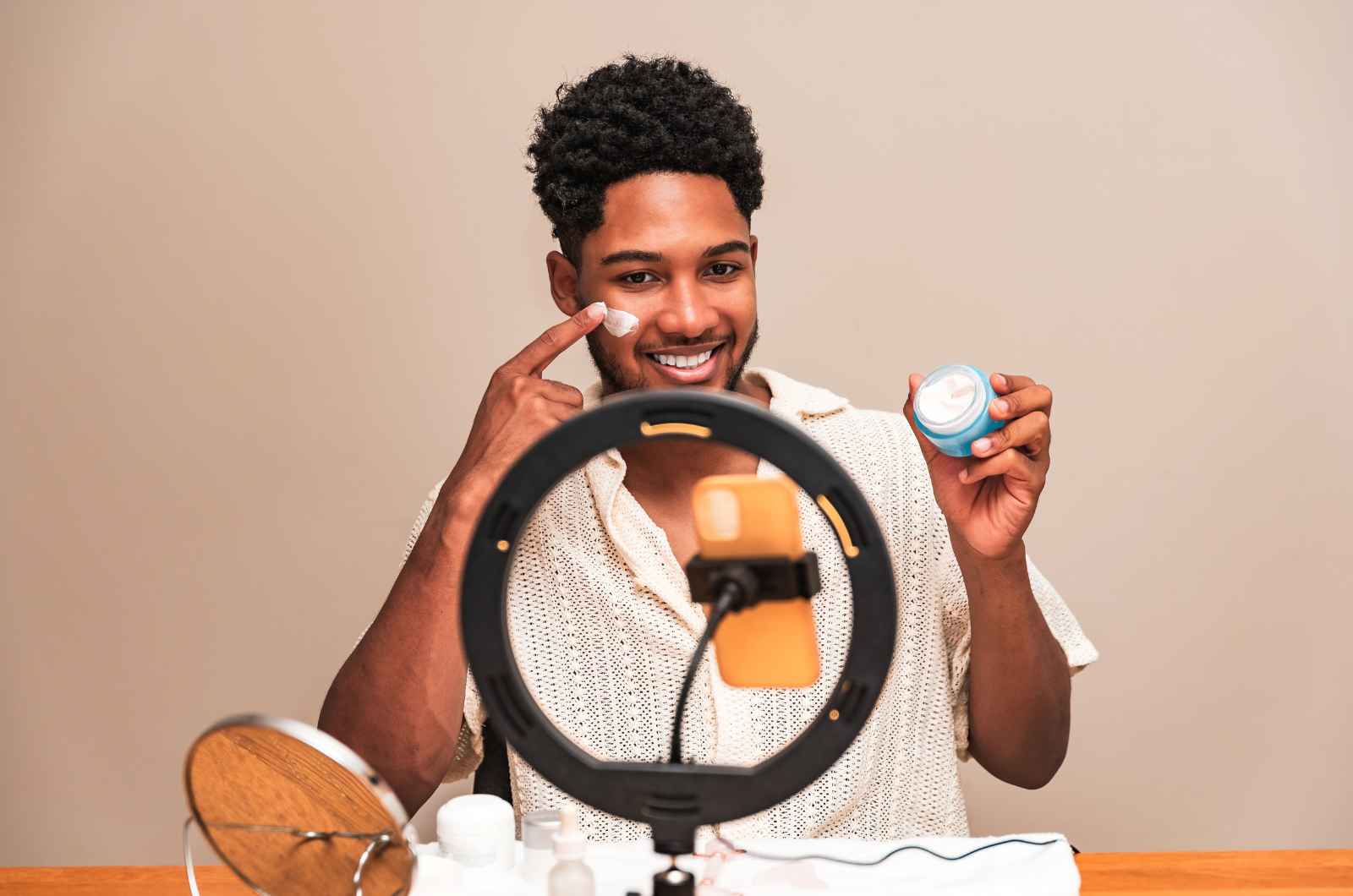
Return on investment has become the decisive metric for brands allocating budgets to influencer collaborations. In 2025, companies investing in influencer marketing are seeing measurable returns that justify and often exceed their initial spend, with data showing significant improvements in both engagement and conversion rates compared to traditional advertising channels.
Understanding Current Influencer Marketing Returns
The influencermarketing landscape has matured considerably, moving from experimental budgets to strategic investments. Brands now track every dollar spent through sophisticated attribution models that connect influencer content directly to sales and brand lift. The average earned media value per dollar spent has increased to $5.78, representing a substantial improvement over previous years. This metric demonstrates that influencer partnerships generate nearly six times the value of the original investment through organic reach, engagement, and conversions.
Strategic partnerships with creators who align authentically with brand values deliver the strongest returns. Companies that invest time in vetting influencers based on audience demographics, engagement quality, and content relevance see conversion rates that outperform broad-reach campaigns. The shift toward long-term ambassador programs rather than one-off sponsored posts has proven particularly effective, with sustained collaborations building deeper audience trust and delivering compound returns over time.
How Platform Choice Impacts Marketing Performance
Different social platforms generate varying levels of engagement and conversion, making platform selection critical for maximizing returns. Instagram continues to dominate influencer marketing spend, accounting for significant budget allocation, but TikTok has emerged as the fastest-growing channel for brand partnerships. Video content across both platforms drives higher engagement rates than static images, with short-form video generating the most consistent audience interaction.
The demographic distribution across platforms shapes campaign performance substantially. Brands targeting younger consumers allocate more resources to TikTok, where 63% of users are under 30, while those seeking millennial and Gen X audiences maintain strong Instagram and Facebook presences. YouTube remains powerful for long-form content and detailed product reviews, particularly in technology, beauty, and lifestyle categories where consumers seek comprehensive information before purchase decisions.
What Budget Allocation Delivers Optimal Results
Successful brands distribute influencer marketing budgets across multiple creator tiers rather than concentrating spend on celebrity partnerships alone. Micro-influencers with 10,000 to 100,000 followers consistently deliver higher engagement rates and better cost efficiency than macro-influencers or celebrities. These smaller creators maintain closer relationships with their audiences, resulting in more authentic endorsements and stronger conversion rates per impression.
The optimal budget split varies by industry and campaign objectives, but data suggests allocating 60-70% of spend to micro and mid-tier influencers, 20-30% to macro-influencers for reach, and 10% to experimental partnerships with emerging creators. This distribution maximizes both engagement depth and audience breadth while managing cost per acquisition effectively. Brands should reserve budget for content amplification as well, since influencer content often performs better as paid advertising than brand-created assets.
Measuring Performance Beyond Vanity Metrics
Forward-thinking brands have moved beyond tracking likes and follower counts to measure metrics that correlate directly with business outcomes. Click-through rates to product pages, coupon code redemptions, and attribution-tracked conversions provide clearer pictures of campaign effectiveness than engagement statistics alone. Advanced analytics platforms now connect influencer content exposure to customer lifetime value, revealing which partnerships drive not just initial purchases but repeat customers.
Brand lift studies complement performance metrics by measuring changes in awareness, consideration, and purchase intent among exposed audiences. These studies typically show that influencer campaigns generate 3-4 times higher brand recall than traditional digital advertising, with particularly strong performance among younger demographics who increasingly tune out conventional ads. The combination of immediate conversion data and longer-term brand health metrics gives marketing teams comprehensive understanding of influencer marketing ROI.
Which Industries See Strongest Influencer Returns
Fashion and beauty brands have pioneered influencer marketing and continue to see exceptional returns, with some companies attributing over 25% of revenue to influencer-driven channels. The visual nature of these products translates naturally to social platforms, and consumers actively seek style inspiration from creators they trust. Technology and consumer electronics brands have also found strong success, particularly when partnering with reviewers who provide detailed product analysis and comparisons.
The travel and hospitality sector has rebounded strongly, with influencer partnerships driving significant booking increases for hotels, airlines, and experience providers. Food and beverage brands leverage influencer content for both awareness and direct sales, especially through platform-native shopping features that reduce friction between discovery and purchase. Even traditionally conservative industries like financial services and healthcare are entering the influencer space, though with more careful vetting and compliance considerations.
What Content Formats Generate Best Performance
Authentic, unscripted content consistently outperforms highly produced branded material in generating engagement and conversions. Audiences have developed sophisticated detection for overly promotional content, responding more positively to influencer posts that feel genuine and align with the creator's typical style. Behind-the-scenes content, product unboxings, and real-world usage demonstrations generate particularly strong response rates across categories.
Tutorial and educational content drives sustained value, as these posts remain discoverable through search and continue generating impressions long after publication. How-to videos, styling guides, and problem-solving content establish influencers as trusted authorities while naturally integrating product mentions. User-generated content campaigns that encourage audiences to create their own posts with branded hashtags amplify reach exponentially while building community around products.
How Campaign Duration Affects Overall Returns
Short-term campaigns can generate immediate sales spikes, but sustained influencer partnerships deliver superior long-term returns. Audiences need repeated exposure to messaging before taking action, and seeing a trusted creator consistently use and endorse products over months builds credibility that one-off posts cannot match. Brands working with ambassadors over 6-12 month periods report significantly higher customer acquisition and retention compared to single-post campaigns.
The influencer marketing industry is projected to reach $24 billion globally, reflecting growing advertiser confidence in sustained returns. This growth indicates that brands are moving budgets from experimental tactics to core marketing strategies, with multi-year influencer partnerships becoming standard practice. Companies that treat influencers as long-term brand partners rather than transactional media placements consistently report better performance across all metrics.
What Future Trends Will Shape ROI Expectations
Artificial intelligence and machine learning tools are transforming influencer selection and campaign optimization. Platforms now analyze millions of data points to predict which creator partnerships will generate best results for specific products and audiences. These tools also enable real-time campaign adjustments, shifting budget toward top performers and pausing underperforming content before significant waste occurs. Brands utilizing AI-powered influencer platforms report 30-40% improvement in campaign efficiency.
The integration of social commerce features directly into platforms continues to reduce friction between content exposure and purchase, improving conversion rates significantly. Instagram Shopping, TikTok Shop, and YouTube's shopping features allow audiences to complete purchases without leaving the platform where they discovered products. This seamless experience has increased conversion rates from influencer content substantially, with some brands reporting that social commerce through influencer content converts 3-5 times higher than standard e-commerce traffic.
Strategic Investment in Creator Partnerships
Influencer marketing has evolved from experimental tactic to essential channel for brands seeking measurable returns in 2025. Companies that approach creator partnerships strategically, selecting appropriate influencers based on audience alignment rather than follower counts alone, consistently achieve strong ROI across awareness, engagement, and conversion metrics. The key to maximizing returns lies in diversified creator portfolios, authentic content that resonates with target audiences, and measurement systems that track business outcomes beyond surface-level engagement. As platforms enhance commerce integration and analytics tools become more sophisticated, brands can expect influencer marketing returns to strengthen further, making it an increasingly central component of effective marketing strategies.